Economy
Denver rents keep falling as vacancies climb
The city's median rent dropped 3.9 percent over the past year to $1,616 in August, with vacancies at 8.2 percent, according to Apartment List.
DENVER
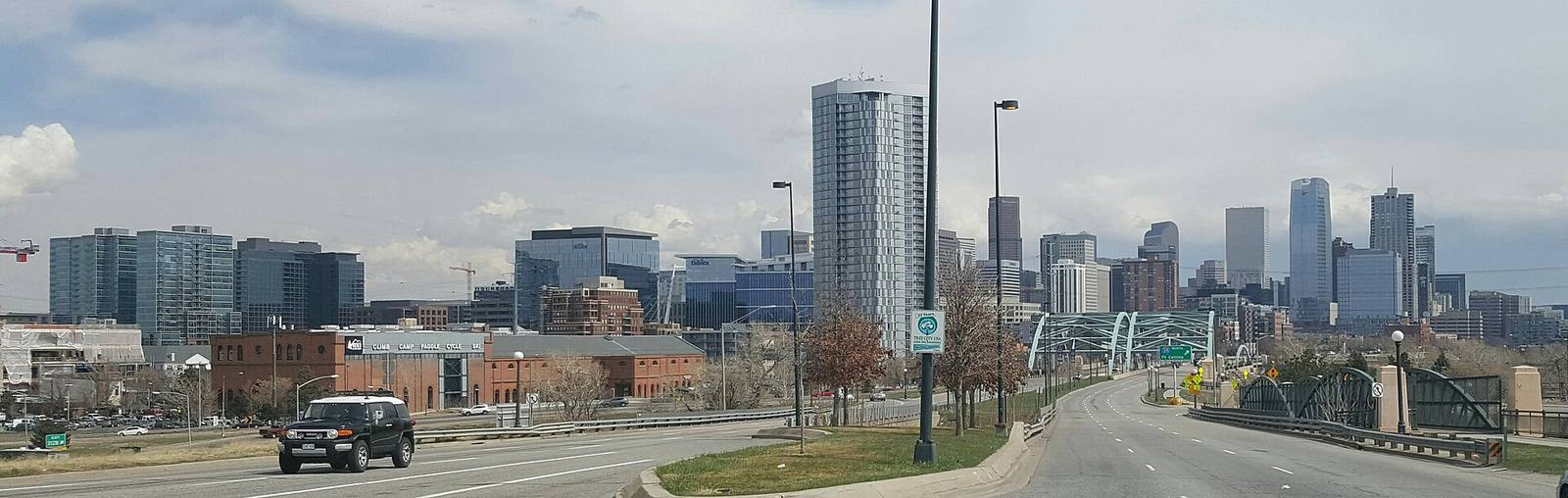
Renters in Denver are paying less than they were a year ago, and the discounts keep coming. The median rent in the city of Denver fell to $1,616 in August 2026, down 3.9 percent from a year earlier, according to Apartment List's monthly estimates. Across the broader Denver metro, the median was $1,650, down 3.4 percent year over year.
The numbers describe asking rents for vacant units, tracked through the company's listings data, and they come with an important distinction: the city and the metro are different markets. The city figure covers Denver proper; the metro figure folds in the suburbs, where rents run slightly higher on a median basis but are falling on a similar trajectory.
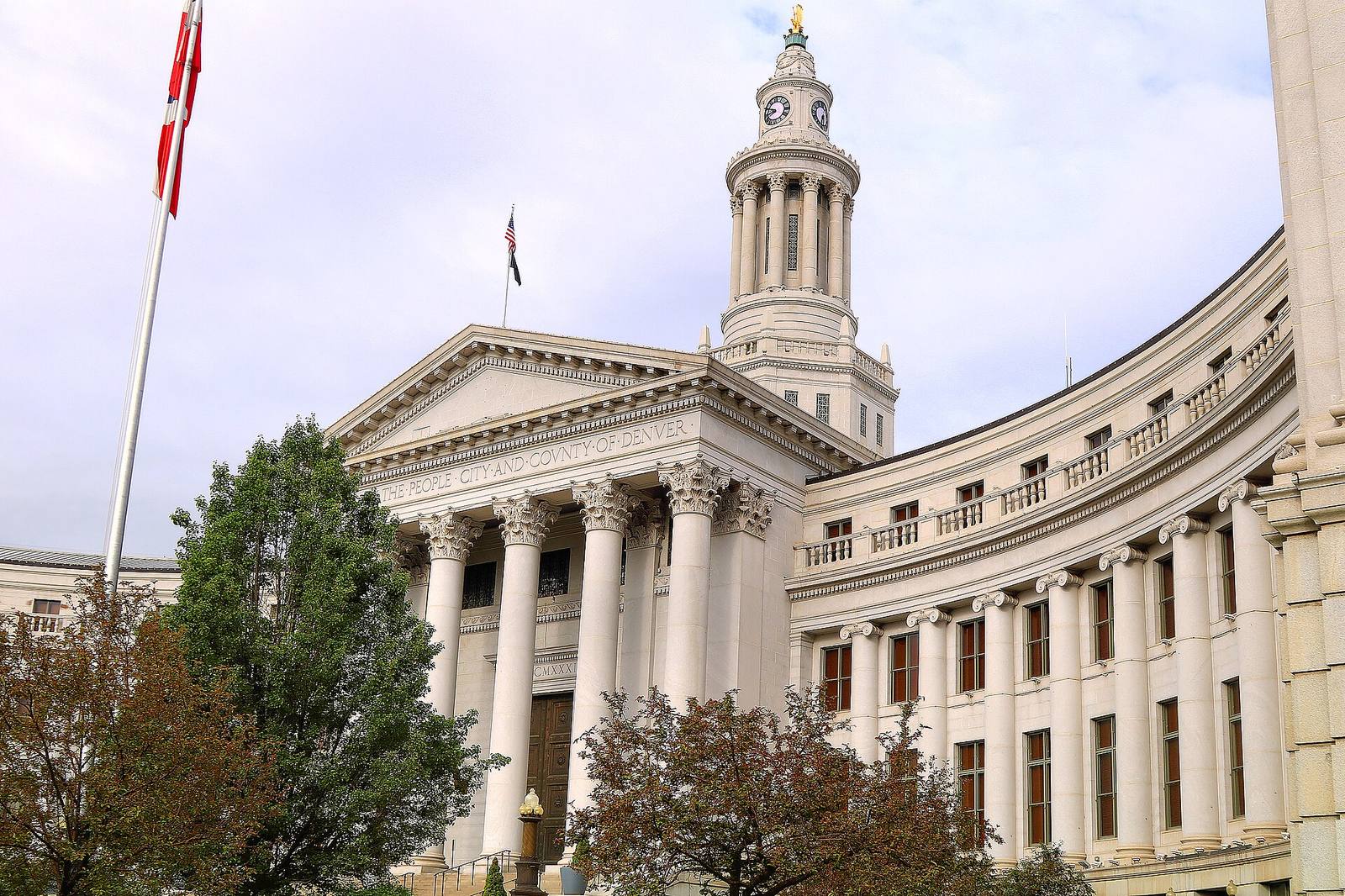
Vacancies help explain the slide. Apartment List estimates Denver's vacancy rate at 8.6 percent, a level that gives renters leverage and forces landlords to compete on price and concessions. When roughly one in twelve units sits empty, the market clears through discounts, and the year-over-year declines, now running for 29 consecutive months, reflect that arithmetic.
The broader context is supply. Denver added thousands of apartment units in recent years, and the pipeline, while slower than at its peak, continues to deliver new buildings into a market where absorption has lagged. Nationally, the median fell 0.76 percent, and Denver's 3.9 percent drop puts it among the faster-falling large markets; Denver's decline puts it firmly in that cohort.

For renters, the trend is relief after years of increases that pushed the city's median well above $1,600. For landlords and developers, it is a margin squeeze, and for policymakers it is a complicated signal: falling rents ease affordability pressure without any government intervention, but they also reflect a market working through oversupply that could discourage the next round of construction.
The headline medians understate what many renters actually experience. In a high-vacancy market, landlords compete with concessions, weeks of free rent, reduced deposits, parking thrown in, that do not show up in asking-rent data. A lease signed at $1,616 with a month free is effectively cheaper than the number suggests, which means the true cost of renting in Denver has fallen further than the published medians indicate.
The beneficiaries are disproportionately mobile: newcomers choosing between Denver and competing Mountain West cities, young workers forming households, anyone whose lease happens to renew this fall. Sitting tenants in older buildings may see smaller gains, since landlords discount hardest on vacant units. Still, a market this soft eventually reaches everyone, through renewal offers landlords make to keep good tenants from shopping around.
Whether the decline continues depends on jobs, migration and how quickly the vacant units fill. For now, the direction is clear, and it favors the tenant signing the lease.


