Statehouse
Colorado's 2026 session ends in triage, not triumph
Lawmakers closed a $1.5 billion budget hole, sent nearly 450 bills to a lame-duck governor, and let more than 100 proposals die on the calendar.
DENVER
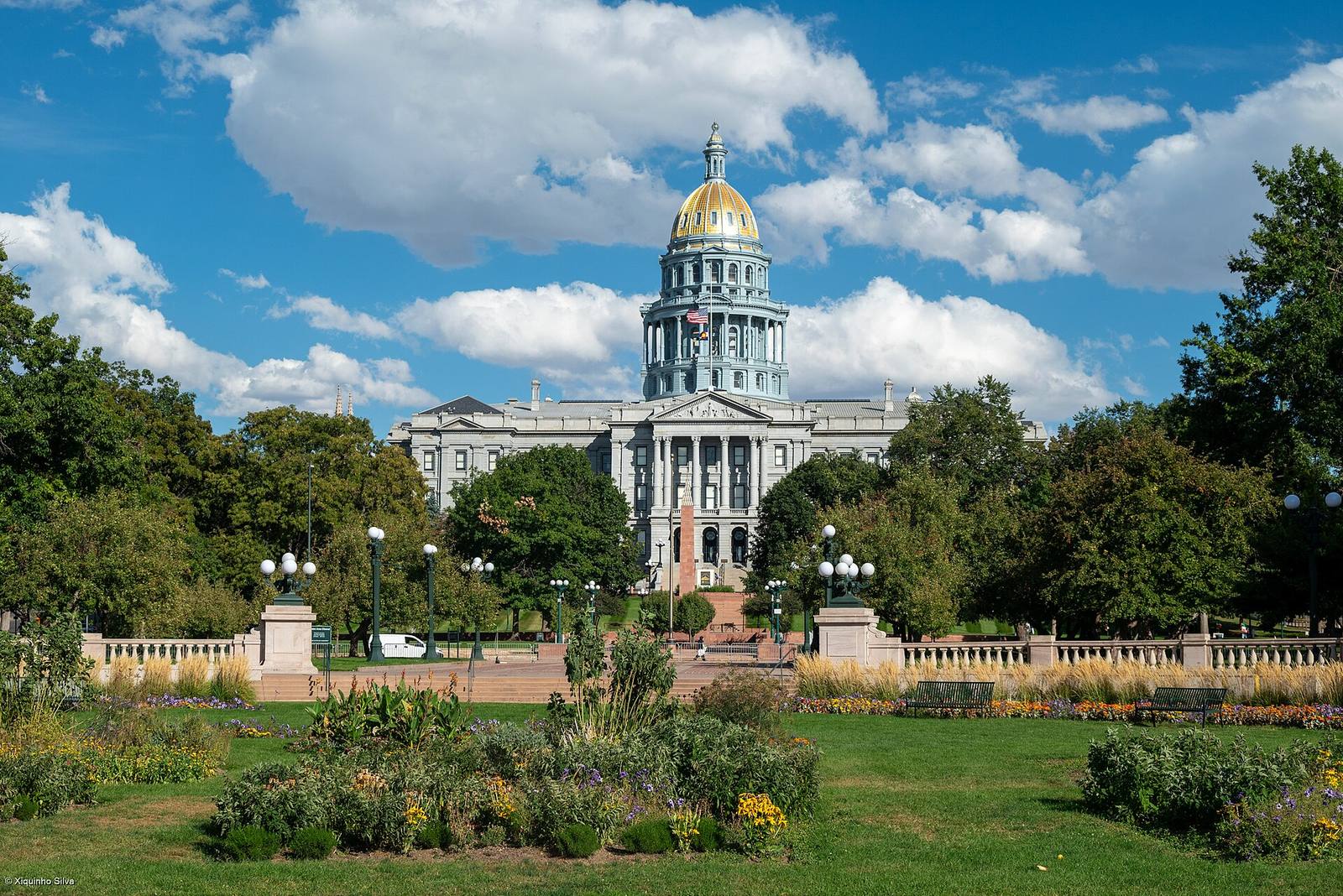
The Colorado General Assembly gaveled out its 2026 regular session on May 13 after 120 days that will be remembered less for landmark legislation than for careful triage. Facing a $1.5 billion budget shortfall, a Democratic trifecta governing alongside a lame-duck governor, and a November election already reshaping every calculation, lawmakers sent nearly 450 bills to Gov. Jared Polis and let more than 100 die, according to nonpartisan legislative staff.
The session was the second regular session of the 75th General Assembly. It convened Jan. 14 with Democrats holding both chambers. Roughly 626 bills were introduced; dozens crossed the finish line in the session's final hours, a day lawmakers call sine die.

The budget dominated everything. Polis signed the state budget, the annual Long Bill, which made significant spending cuts, including to Medicaid, to balance the shortfall. The budget appropriated roughly $49 billion in total funds, about $17 billion of it from the general fund, all of it constrained by the $1.5 billion shortfall. To close the gap, budget writers transferred $130 million from Proposition 123 affordable-housing funds into the general fund, cut Medicaid provider rates by 2 percent, and reduced or eliminated programs across departments, forcing tradeoffs between core services in nearly every department.
Even in an overwhelmingly Democratic legislature, a moderate wing of the Democratic caucus largely kept the progressive wing's ambitions in check, joining Republicans to kill measures the leadership considered too costly or too far-reaching.
Housing was the session's signature policy win. The governor's priority bill, HB 26-1001, known as the Housing Opportunities Made Easier (HOME) Act, which Polis signed March 25 with key provisions taking effect Dec. 31, 2027, requires local governments to allow residential development on qualified properties owned by nonprofits, schools and transit districts, an attempt to remove local barriers to new homes. Affordable-housing advocates had made development reform a primary goal for the second year running.
Transit also moved. SB 26-150, the RTD reform bill Polis signed into law, shrinks the Regional Transportation District's board from fifteen members to nine, five elected and four appointed by the governor, carrying out recommendations from the RTD Accountability Committee. SB 26-172 redrew the taxing boundaries of the Front Range Passenger Rail District ahead of this year's ballot measure on a sales tax to fund the Colorado Connector rail line.
Not every priority survived. Moderate Democrats joined Republicans to kill a progressive proposal to establish state-level worker safety protections meant to fill a gap left by a weakened federal Occupational Safety and Health Administration. Democratic Sen. Kyle Mullica of Thornton, who voted against the bill, said he supported workers but considered the measure a blank check: it left the door open, he said, to state regulations even more stringent than current federal ones. The bill's sponsor, Democratic Sen. Katie Wallace of Longmont, said she was disappointed but called it part of serving in a legislature with such a large Democratic majority.
On affordability, legislators passed HB26-1223, creating a refundable child tax credit funded in part by repealing the tax exemption on downloaded software, while companion bills to fund the Family Affordability Tax Credit failed. On data centers, two competing bills, the pro-data-center HB26-1030 and the guardrail-setting SB26-102, were both pulled by their sponsors and neither passed.
With the budget balanced, the rail district's boundaries redrawn and the RTD board reshaped, the Capitol now turns its attention to November, when voters will decide the rail tax, a new governor and the legislature's next majority.


