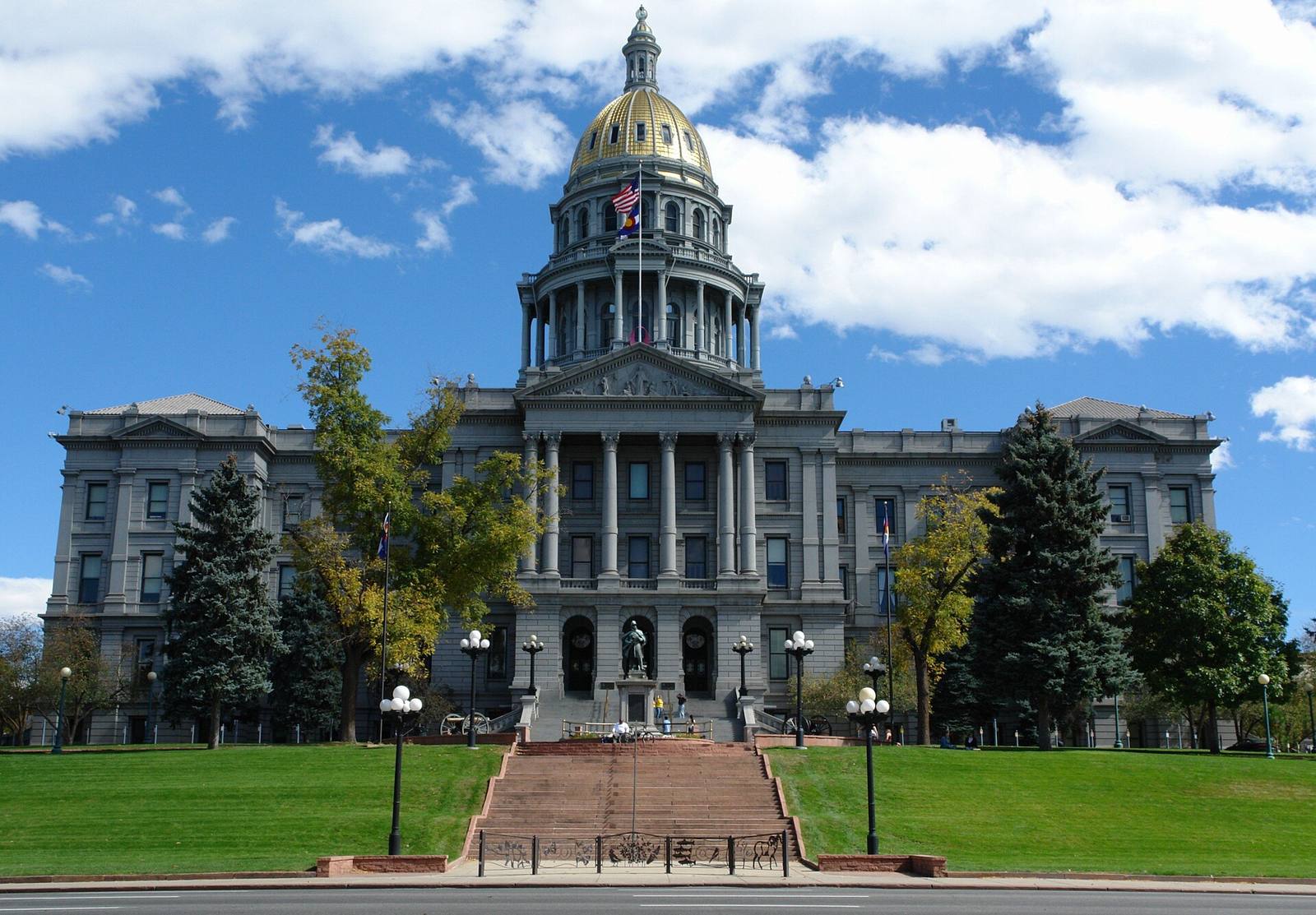
Statehouse
Weiser and Marx to meet in November for an open governor's office
After bruising primaries, Democrat Phil Weiser and Republican Victor Marx face off Nov. 3 to succeed term-limited Gov. Jared Polis.
DENVER
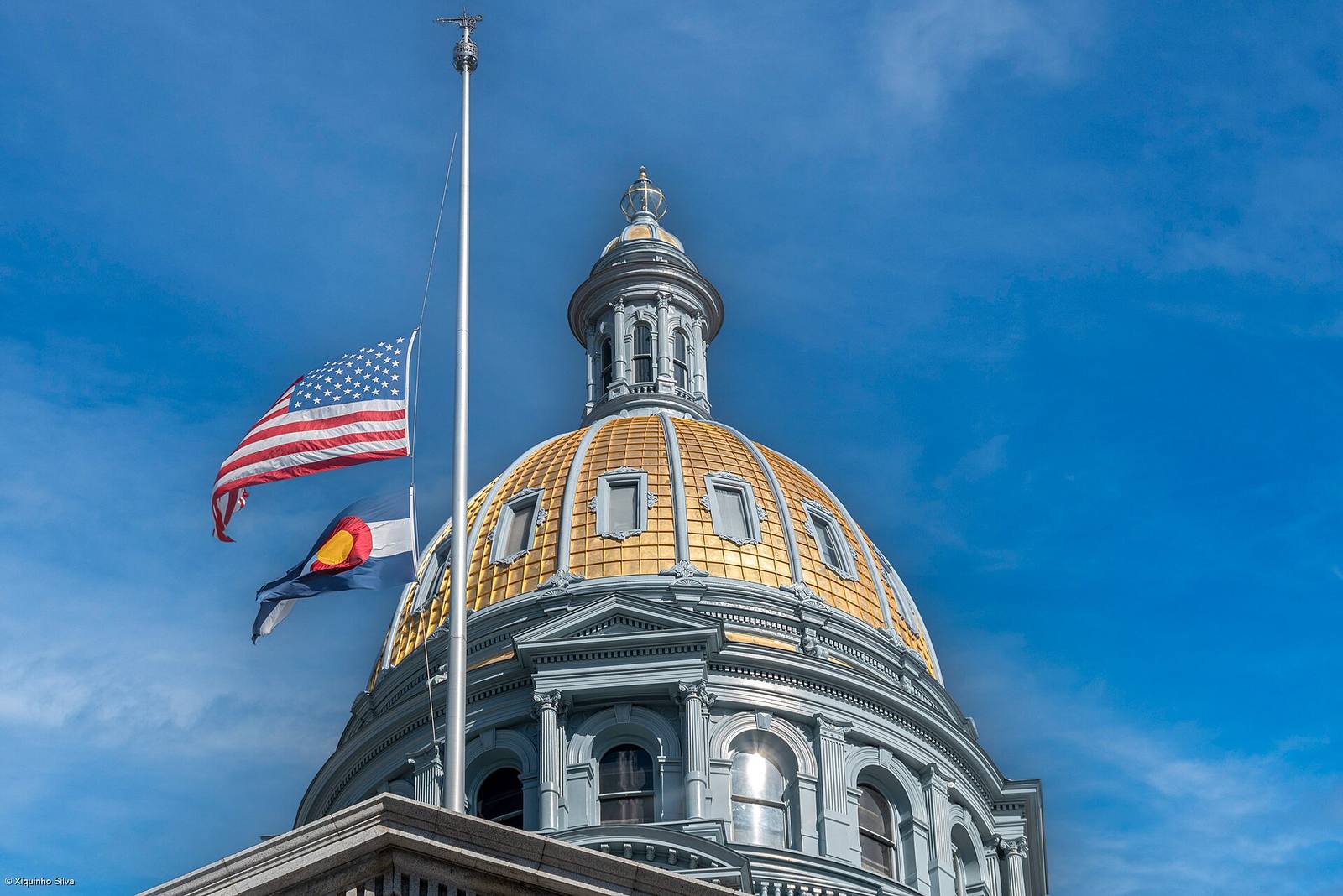
Colorado will elect a new governor on Nov. 3, and for the first time in eight years the name on neither major-party line will be Jared Polis. Democrat Phil Weiser, the state's attorney general since 2019, faces Republican Victor Marx in an open race to lead a state where Democrats have held the governor's office since 2007 and Republicans have not won it since 2002.
Weiser secured the Democratic nomination on June 30, defeating U.S. Sen. Michael Bennet by more than 13 percentage points in the June 30 Democratic primary. Bennet, the only candidate to petition onto the primary ballot, had the endorsements of U.S. Rep. Jason Crow and Denver Mayor Mike Johnston. Weiser, the only candidate to clear 30 percent at the state assembly, chose Jefferson County Commissioner Lesley Dahlkemper as his running mate.
The Republican primary was decided by a whisker. Marx defeated state Sen. Barbara Kirkmeyer by about half a percentage point, a margin of roughly 2,500 votes, with state Rep. Scott Bottoms a distant third. Marx named George Markert as his running mate.
Polis, a Democrat, is ineligible to seek a third consecutive term, and the open seat has drawn a crowded field beyond the two major-party nominees, a reminder that Colorado's large unaffiliated electorate and accessible ballot rules keep the general election ballot long.

The governor's race tops a ballot with consequence down the ticket. In the attorney general's race, current Secretary of State Jena Griswold, a Democrat, faces Republican Michael Allen, the district attorney for the 4th Judicial District. For secretary of state, Democrat Amanda Gonzalez, the Jefferson County clerk, faces Republican James Wiley. Griswold won the Democratic attorney general primary with 44.2 percent in a four-candidate field; Allen won the Republican primary by nearly 20 points.
Colorado's unaffiliated voters, the state's largest bloc, will decide the race, as they decide most statewide contests here. Both campaigns will spend the fall courting them, along with the suburban voters who have swung recent statewide races. Ballots go out in October to every registered voter. Whoever wins the governor's office in November will inherit the state the 2026 legislature just finished triaging: a structural budget shortfall that forced cuts to Medicaid and other services, a $295-million-a-year rail tax question before Front Range voters, and a Colorado River negotiation entering its decisive phase. The campaigns have until Nov. 3 to make their case for who should manage it.