Statehouse
Proposition 137 makes Colorado's November ballot with $175 million conservation and wildfire plan
The measure would redirect about $175 million a year in existing sporting-goods sales tax revenue to wildfire prevention, water, and land conservation without raising taxes. Backers announced its ballot qualification on September 28; opponents warn of logging and smaller TABOR refunds.
DENVER
The money comes from sales taxes already collected on purchases like bicycles, boats, golf clubs, hunting and fishing equipment, and ski and camping gear, according to CPR's voter guide. Nothing changes at the register. When state revenue runs above the TABOR limit, the measure would reduce taxpayer refunds, by an estimated $26 to $83 for single filers; when revenue falls below the limit, the transfer would come from the General Fund, leaving less for other priorities such as health care and schools.
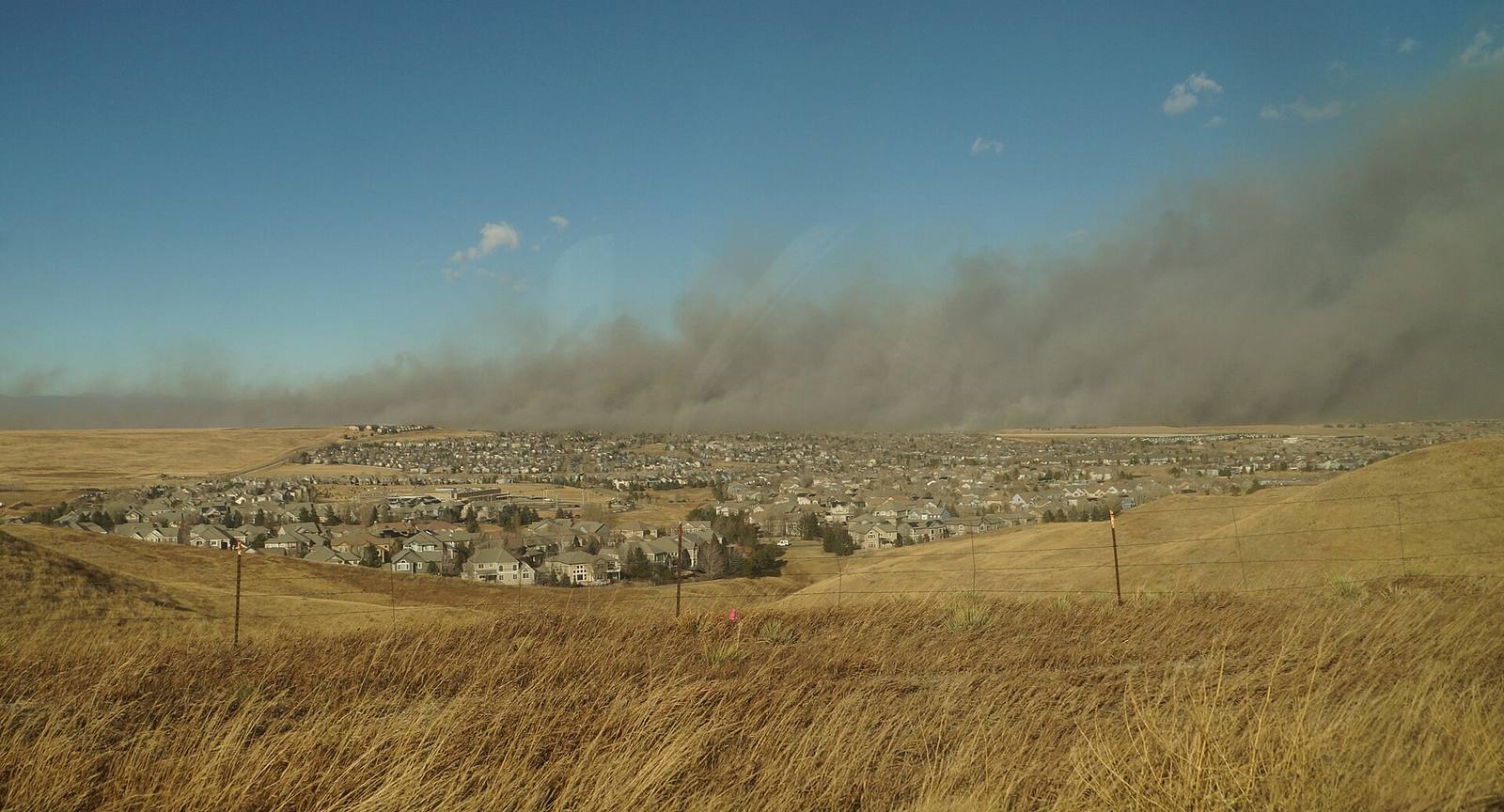
The campaign says the money would support existing but underfunded grant programs, primarily under the Colorado State Forest Service, the Department of Natural Resources, and Great Outdoors Colorado. Listed uses include watershed protection projects to safeguard drinking water, work to reduce wildfire risk and restore forests in fire-prone watersheds, conservation of working lands and ranches, trail and park improvements and new state parks, and wildlife corridor and habitat restoration. Because the measure is statutory, the legislature would keep the flexibility to reduce funding in low budget years.
The measure is led by Western Resource Advocates, The Nature Conservancy, Trust for Public Lands, and Conservation Colorado, and the campaign says it has received more than 150 endorsements. Supporters named by both the campaign and CPR include former Interior Secretary Ken Salazar, former Governor Bill Ritter, and former U.S. Senator Mark Udall.
"Coloradans love and rely on our rivers, iconic landscapes and unparalleled outdoor recreation opportunities," said Tarn Udall, senior attorney at Western Resource Advocates and the registered agent for Prop 137, "but these resources and the Colorado way of life are increasingly threatened. Deepening drought and severe wildfire are growing problems and they're outpacing our state's ability to keep up. Prop 137 will get us off the back foot, solving problems that threaten our water, land and communities before they become crises, and doing so without raising taxes."

"Denver Water is responsible for delivering clean water to more than one and a half million Coloradans. Our drinking water starts as snowpack and rainfall in the mountains, filters through our forests and flows into the rivers that supply our communities," said Alan Salazar, CEO of Denver Water. "But bigger, more intense wildfires are increasingly damaging our forested watersheds and degrading our source water supplies. Proposition 137 would provide crucial funding to restore our forests and make them more resilient against the threat of catastrophic wildfire, helping ensure the high-quality water supply that Coloradans depend on."
The registered opposition group, Protect Colorado's Land, Communities and Tax Dollars, argues the measure would route millions a year from the sporting-goods tax toward industrial logging, including clearcutting, across Colorado's public lands. "Even supporters of Prop. 137 should understand that the measure would set a precedent for special interests to route taxpayer dollars away from TABOR refunds and/or the general fund for their own benefit, which may or may not be in the public interest," a spokesperson for the group told CPR News. The League of Women Voters of Colorado also opposes the measure, citing its fiscal implications and saying it would limit lawmakers' ability to distribute funding that would otherwise go into the General Fund.

The ballot question asks whether Colorado law should change "to increase water and land conservation funding without raising taxes" through a voter-approved revenue change letting the state keep and spend a portion of sporting-goods sales tax revenue. A yes vote redirects the money to conservation, wildfire prevention, and outdoor recreation; a no vote keeps it in the General Fund, subject to TABOR rules. Voters decide in November.


