Transportation
Voters to decide fate of Front Range passenger rail tax
Ballot Issue 7A asks district voters to approve a 0.333 percent sales tax, about $295 million a year, to build the Colorado Connector from Fort Collins to Pueblo.
PUEBLO
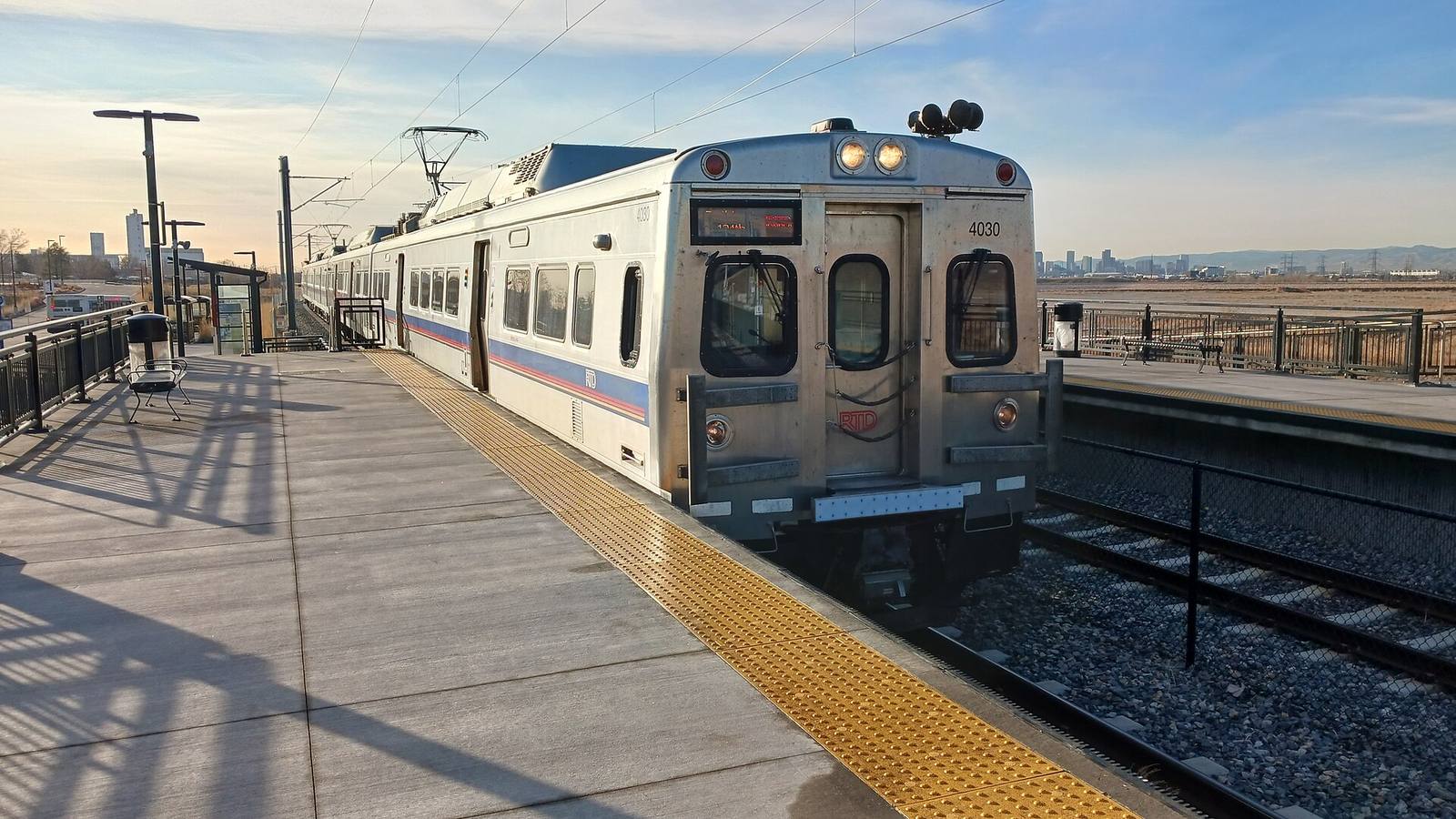
The board of the Front Range Passenger Rail District voted 14 to 1 on Aug. 28 to send voters a consequential transportation question decades in the making: whether to raise the district's sales tax by a third of a penny to build and run a passenger train from Fort Collins to Pueblo. The measure, certified to the Nov. 3 ballot as Ballot Issue 7A, would generate an estimated $295 million a year and authorize $580 million in debt at a repayment cost of $785 million.
The referral came in Resolution No. 2026-32, adopted at a special meeting at the Transportation Technology Center, the federal railroad testing facility near Pueblo. The resolution's Section 4 directed district legal counsel to certify the question to the Colorado Secretary of State, who certified the 2026 general election ballot on Sept. 4. The ballot title asks whether district taxes should be increased $295 million annually, whether debt should be increased $580 million, and whether the district may keep the revenue as a voter-approved revenue change under the Taxpayer's Bill of Rights.
The money would come from a 0.333 percent sales and use tax, described in the ballot language as one third of a penny on a $1 purchase, about 33 cents on a $100 purchase. Colorado law's standard exemptions apply, including those for gasoline, food, residential electricity and gas, prescription drugs and medical supplies. The tax has no expiration date, and only registered electors who live inside the district's boundaries may vote on it.
The district's boundaries were redrawn this year by SB 26-172 so that only communities along the line vote. The certified ballot lists the measure in part or all of thirteen counties: Adams, Arapahoe, Boulder, Broomfield, Denver, Douglas, El Paso, Huerfano, Jefferson, Larimer, Las Animas, Pueblo and Weld. None of the board's seats is filled by election; the legislature created the district in 2021 and gave its appointed board authority to refer a tax to voters.
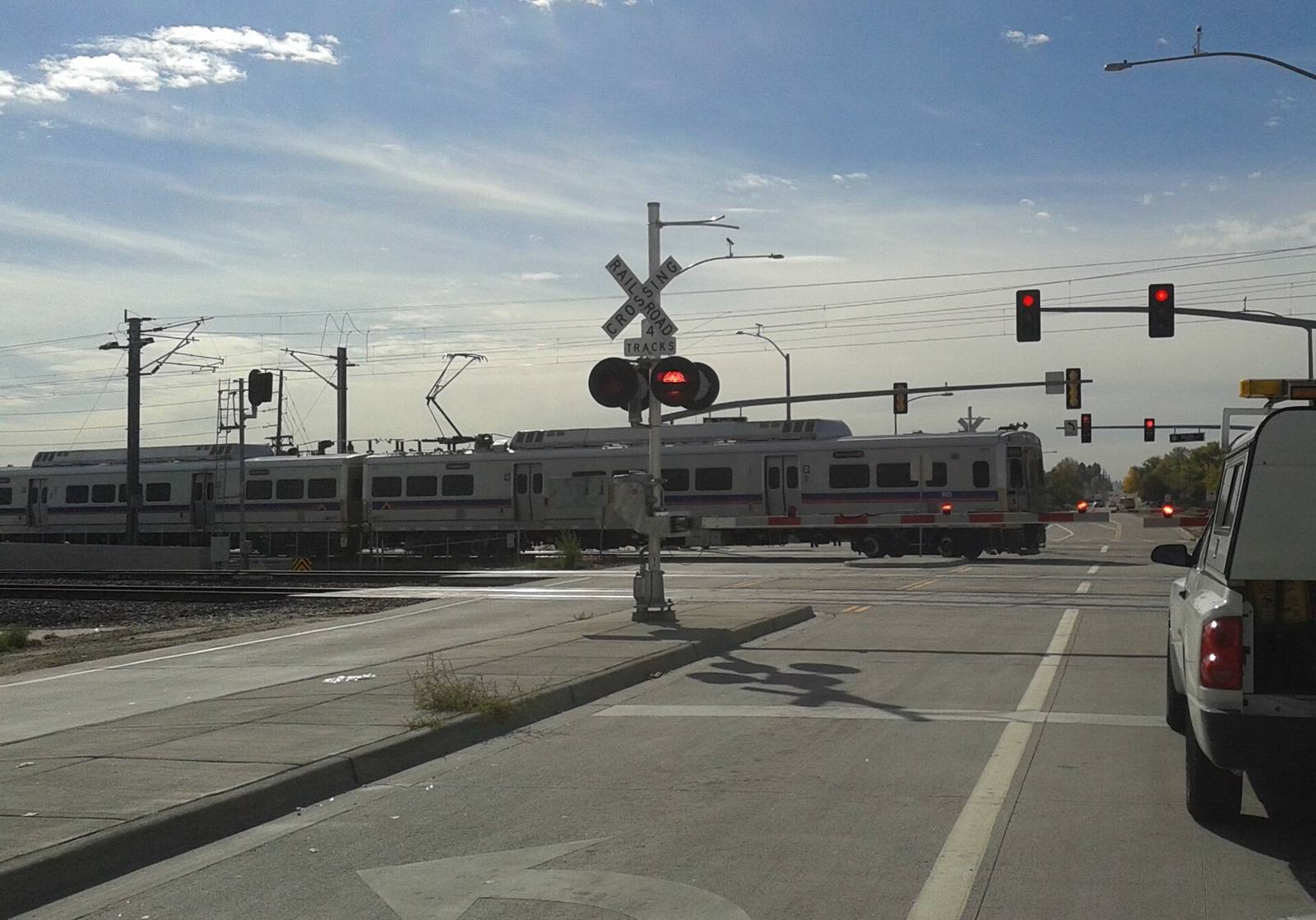
The tax would pay for the Colorado Connector, the service brand for the Front Range line. The district's plan calls for full service between Fort Collins and Pueblo by 2032, with thirteen stations along the Interstate 25 corridor, and for expansion phases beyond it. The initial starter phase, three daily round trips between Denver and Fort Collins targeted for a 2029 launch, is already funded and does not depend on the November vote. District General Manager Sal Pace has said about 20 percent of the revenue would be returned to local communities for station upkeep and related infrastructure, with the money reviewed each year by an independent auditor and a rotating group of citizen taxpayers.
The plan's financing reaches beyond the district. It assigns the Regional Transportation District $156 million toward construction and $10 million to $12 million a year toward operations, none of it yet approved by the RTD board, which has directed staff to build next year's budget around $20 million in bus service cuts. RTD Director Kathleen Chandler, elected in 2024 to represent District F, has campaigned against the measure, calling the cost estimates a lowball figure and urging a no vote.
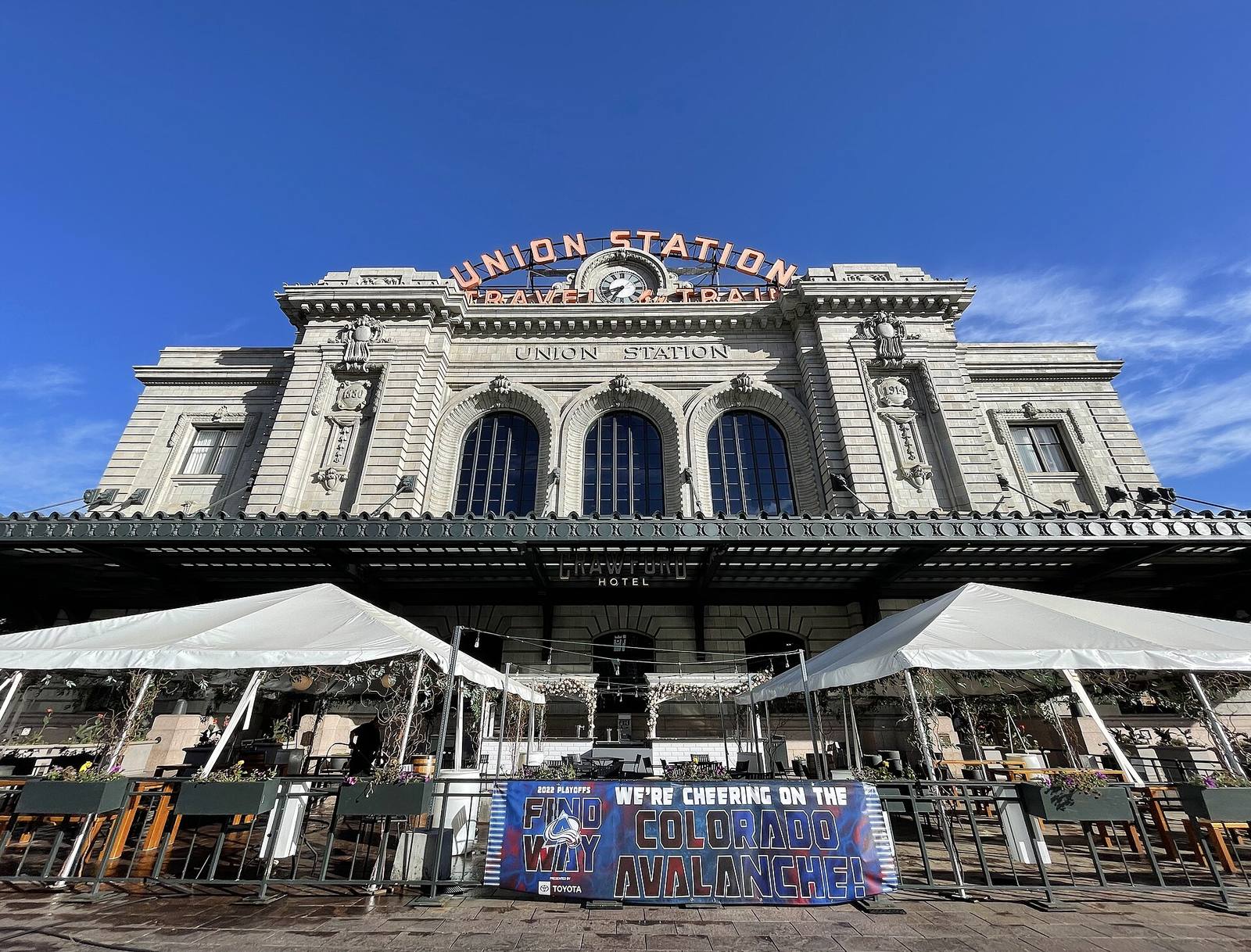
Under state campaign law the district cannot advocate for or against the measure; making the case will be up to a campaign committee, and the decision up to voters. With ballots mailing in October, the Front Range is about to decide whether its decades of talk about passenger rail becomes steel on the ground.


