Guides
Front Range vs Western Slope, explained
The Continental Divide splits Colorado into two different states in everything but name: people, water, economies, and politics.
DENVER

Every Colorado argument is really an argument about the Continental Divide. The mountain spine that runs down the middle of the state splits Colorado into two different places in everything but name: the Front Range on the east, where most of the people live, and the Western Slope on the west, where most of the water falls.
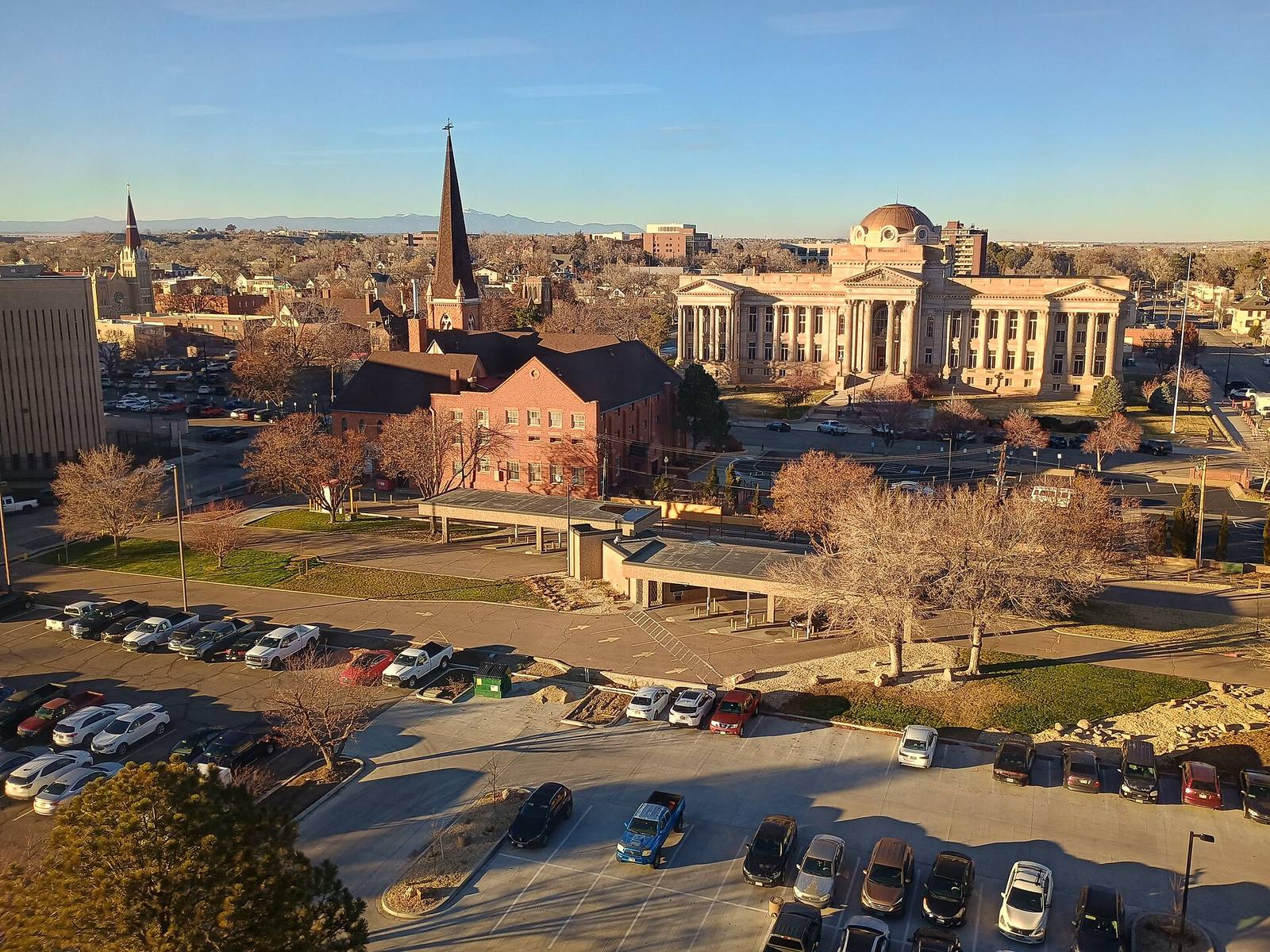
The Front Range is the urban corridor along Interstate 25: Fort Collins, Boulder, Denver, Colorado Springs, and Pueblo, plus the suburbs strung between them. It holds the state capitol, the large universities, the airport, and the bulk of the jobs. The Western Slope is everything west of the Divide: Grand Junction, the largest city on that side, plus Durango, Glenwood Springs, Montrose, and the resort towns threaded through the mountains.
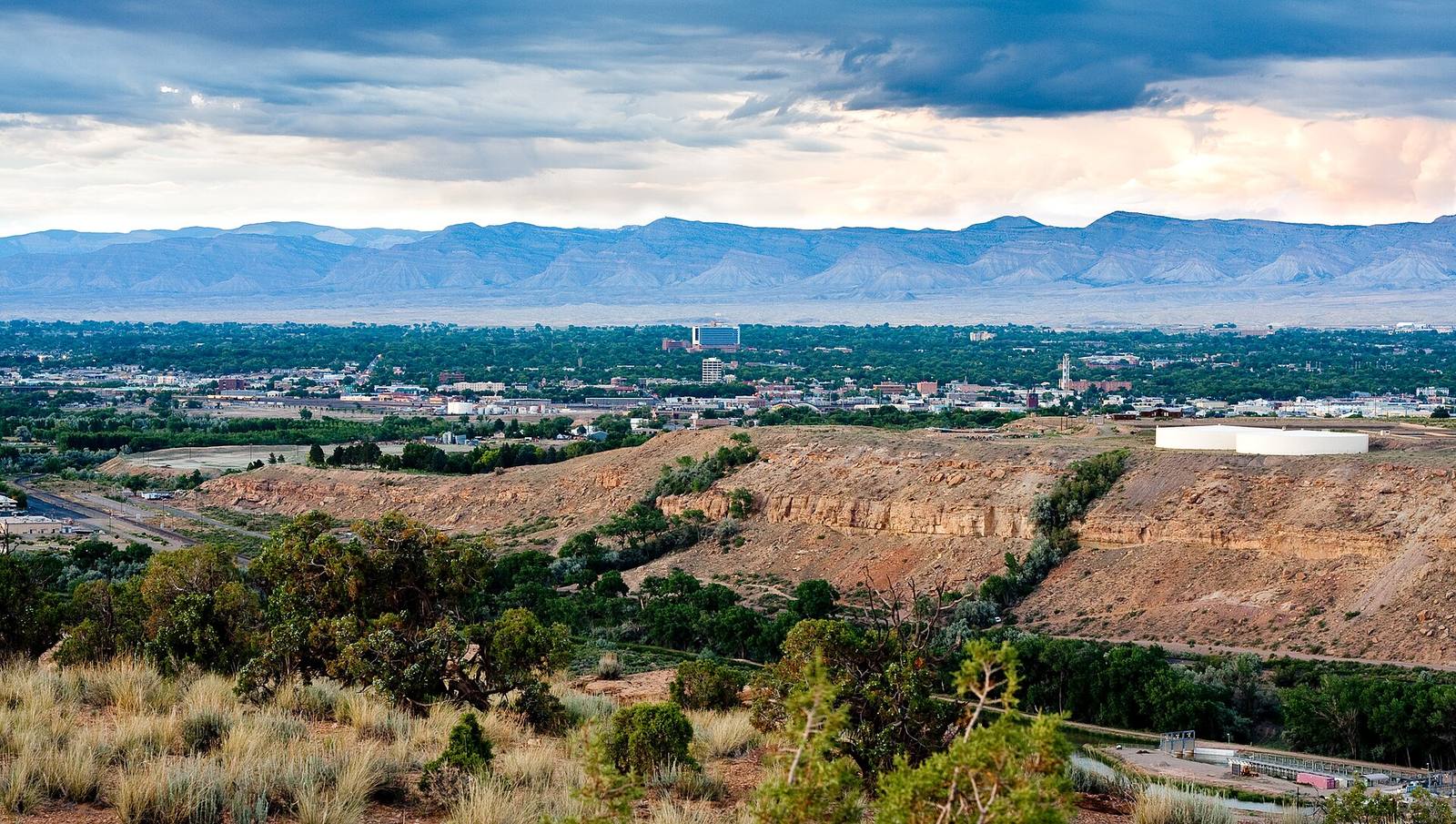
The imbalance between the two sides is the central fact of Colorado life. Most of the state's precipitation falls as mountain snow, and most of the state's people live east of where it falls. So the Front Range drinks water that crossed the mountains: transmountain diversions, the tunnels and pipelines built in the mid-20th century, carry Western Slope water to Eastern Slope cities. Denver's taps draw partly on snow that fell on the other side of the Divide.
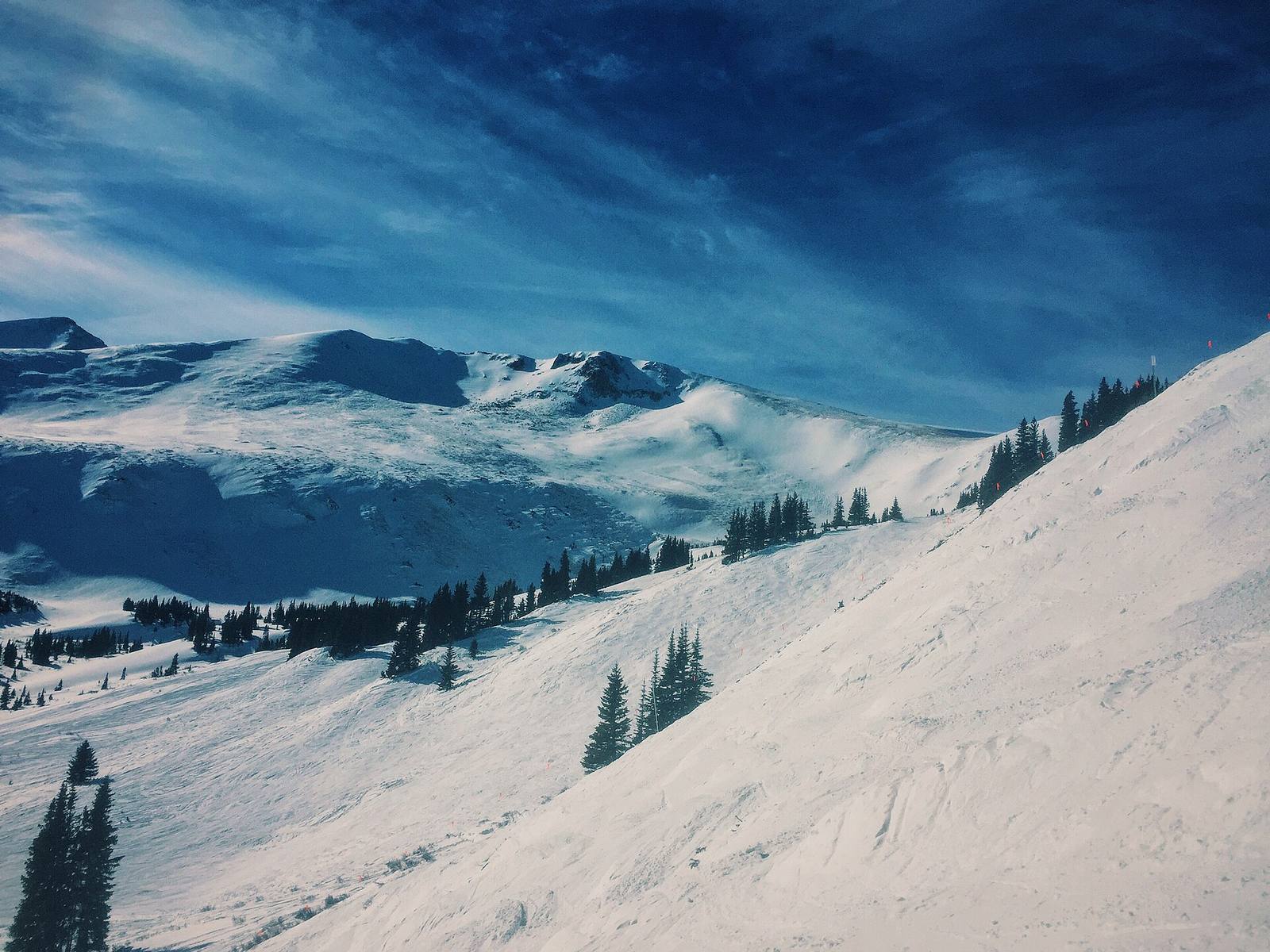
The economies read differently too. The Front Range runs on government, universities, health care, technology, and the airport economy. The Western Slope runs on a mix of agriculture, energy, tourism, and the resort trade: the orchards and vineyards of the Grand Valley, the gas fields, the ski areas, and the national monuments and public lands that draw visitors from everywhere.
There is a third Colorado that the name leaves out: the eastern plains, the farm and ranch country that runs from the Front Range to the Kansas and Nebraska lines. It is dry, flat, and politically distinct from both the metro corridor and the mountains, and its water comes mostly from the Ogallala Aquifer and the Republican and Arkansas river systems rather than the high-country snowpack. Newcomers rarely move there, but everyone in the state eats from it.
The politics of the Divide
Water is where the two sides collide. Western Slope communities have spent a century defending their water against Front Range demand, and the state's water law and interstate compacts are the legal architecture of that defense. Any large water project still runs through this argument, and it will outlast everyone making it.
The practical version for newcomers: learn which side of the Divide you are on, and act like it. The weather, the water rules, the economy, and the daily news all change at the tunnels on I-70. Colorado is one state with two orientations, and the Divide is the line that orients everything.
More guides
- How Colorado water law works2026-09-29
- A newcomer's guide to Denver2026-09-29
- How the state legislature works2026-09-29