Guides
A newcomer's guide to Denver
Altitude, dry air, spring snow, watering rules, and a city that is also a county: the practical facts for settling into the Mile High City.
DENVER

Denver's nickname is the Mile High City, and newcomers should take it literally: the city sits a mile above sea level, and the air is thinner and far drier than most arrivals expect. The first week or two can feel oddly draining. Drink more water than feels necessary, go easy on exertion at first, and make sunscreen a year-round habit: the sun is stronger at altitude.
Then there is the weather, which has earned its reputation for mood swings. A warm afternoon can be followed by snow the next morning, and the heaviest storms often arrive in March and April, after newcomers have mentally filed winter away. Dress in layers, keep a jacket in the car deep into spring, and take the spring storms seriously: the strong systems that roll through can close interstates and schools for a day. Summer brings afternoon thunderstorms that can turn severe, sometimes with hail; park under cover when the sky looks threatening.
Water is the other adjustment. Denver is a semi-arid city, and the yard is where newcomers feel it first. Lawn watering is restricted to certain days in most years, and landscaping built around native and drought-tolerant plants is the norm rather than the exception. Read the watering rules before installing a lawn; in dry summers, fines are routine.
A city that is also a county
Denver is a consolidated city and county, which means city hall handles a wider range of business than in most American cities. The city council meets Monday afternoons downtown, with committees on set weekday schedules, and agendas and meeting access are posted on the city's official site. For a city its size, Denver government sits unusually close to daily life.
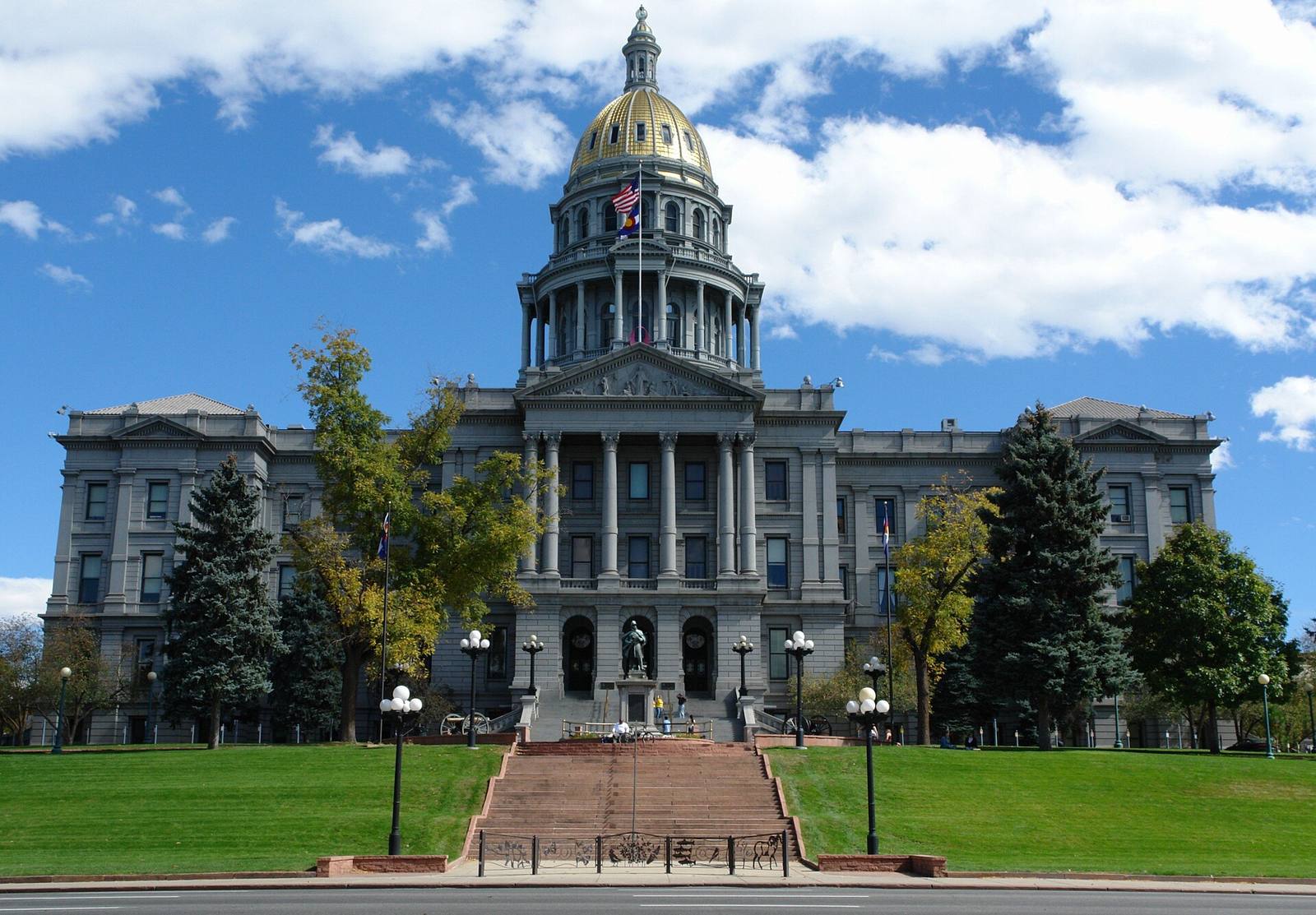
Like the rest of Colorado, Denver votes mostly by mail: ballots go out weeks before Election Day, and new residents can register through the Secretary of State's office. Turnout runs high here, and local races, for council, auditor, and the school board, are often decided by small margins.
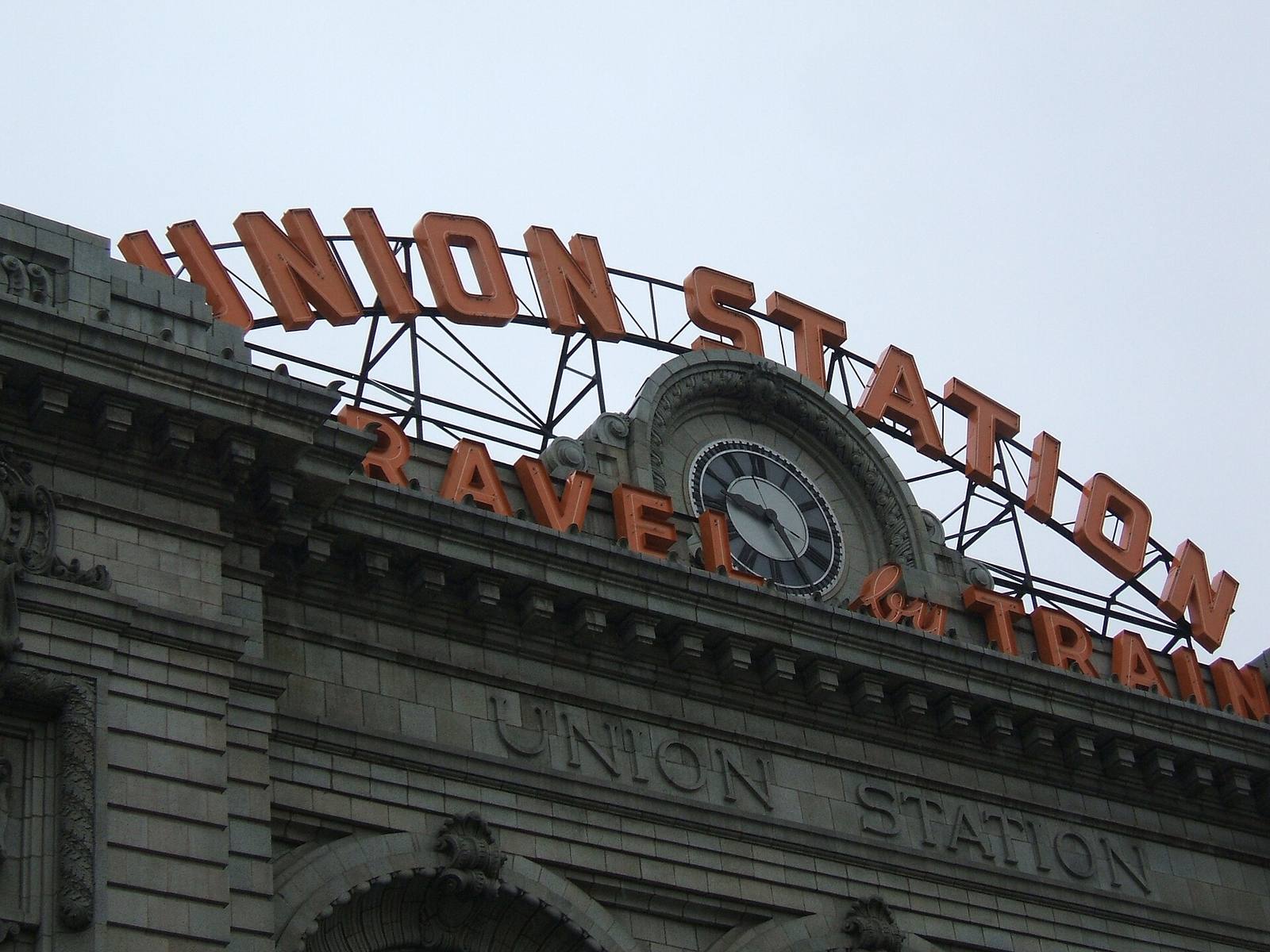
Getting around takes planning. The metro area is spread out and the car remains the default, but Union Station downtown anchors the regional rail and bus network, and the light rail lines reach the airport, the tech center, and the suburbs. Winter driving in the metro is manageable; the mountain corridor is the one that demands respect, with traction laws enforced on I-70 during storms.

The outdoors start at the city line. The foothills are minutes west, Red Rocks sits in the hogbacks southwest of town, and the mountain trailheads that define Colorado weekends are a drive, not a flight, away. Learn the altitude, respect the weather, mind the water, and Denver opens up fast.
More guides
- How Colorado water law works2026-09-29
- Front Range vs Western Slope, explained2026-09-29
- How the state legislature works2026-09-29