Water
Denver Water's lawn watering ban takes effect as drought, record heat squeeze supplies
The Board of Water Commissioners voted Aug. 26 to end the lawn watering season Oct. 1 for the utility's 1.5 million customers. Spray irrigation is out, trees and gardens can still be hand watered, and violations carry escalating fines up to $1,000.
DENVER

The Denver Board of Water Commissioners voted unanimously Aug. 26 to amend its Stage 1 drought resolution and prohibit lawn watering as of Oct. 1, a step the utility's own announcement described as a formal end to the lawn watering season, which normally runs May 1 through Oct. 1.
Under the rule, all lawn watering and spray irrigation must stop after Sept. 30, including hand watering grass. Trees, shrubs and perennials may still be watered any day with a handheld hose fitted with a shutoff nozzle, or with drip and other low volume, non spray irrigation. Annuals and vegetable gardens may be watered the same way until the first frost. High use turf such as parks and school fields can continue only under a Denver Water approved water budget or variance, and recycled water customers may keep irrigating under the standard rules. New grass may not be established after Sept. 30 without an approved variance.

The ban has no set end date. It remains in effect until the Board of Water Commissioners determines when watering may resume, meaning sprinklers are to stay off through spring 2027 unless the board takes further action. The cutoff adds to the Stage 1 mandatory restrictions the board declared in March, which limited watering to two assigned days per week and set a target of cutting system wide use 20 percent below the five year average.
The trigger was a summer the utility calls the warmest on record for metro Denver. Streamflows into Denver Water's collection system ran at 22 percent of normal from April through July, the lowest in 110 years of recordkeeping, and low snowpack left reservoir storage far below normal. "The drought afflicting the Denver region and its water supply system has only worsened over the course of the summer, making it clear that we need to take additional steps in response," board president Tyrone Gant said in the utility's Aug. 26 announcement. "Formally ending lawn watering Oct. 1 will help stretch our supplies, as we will be entering next spring with storage levels far below normal."
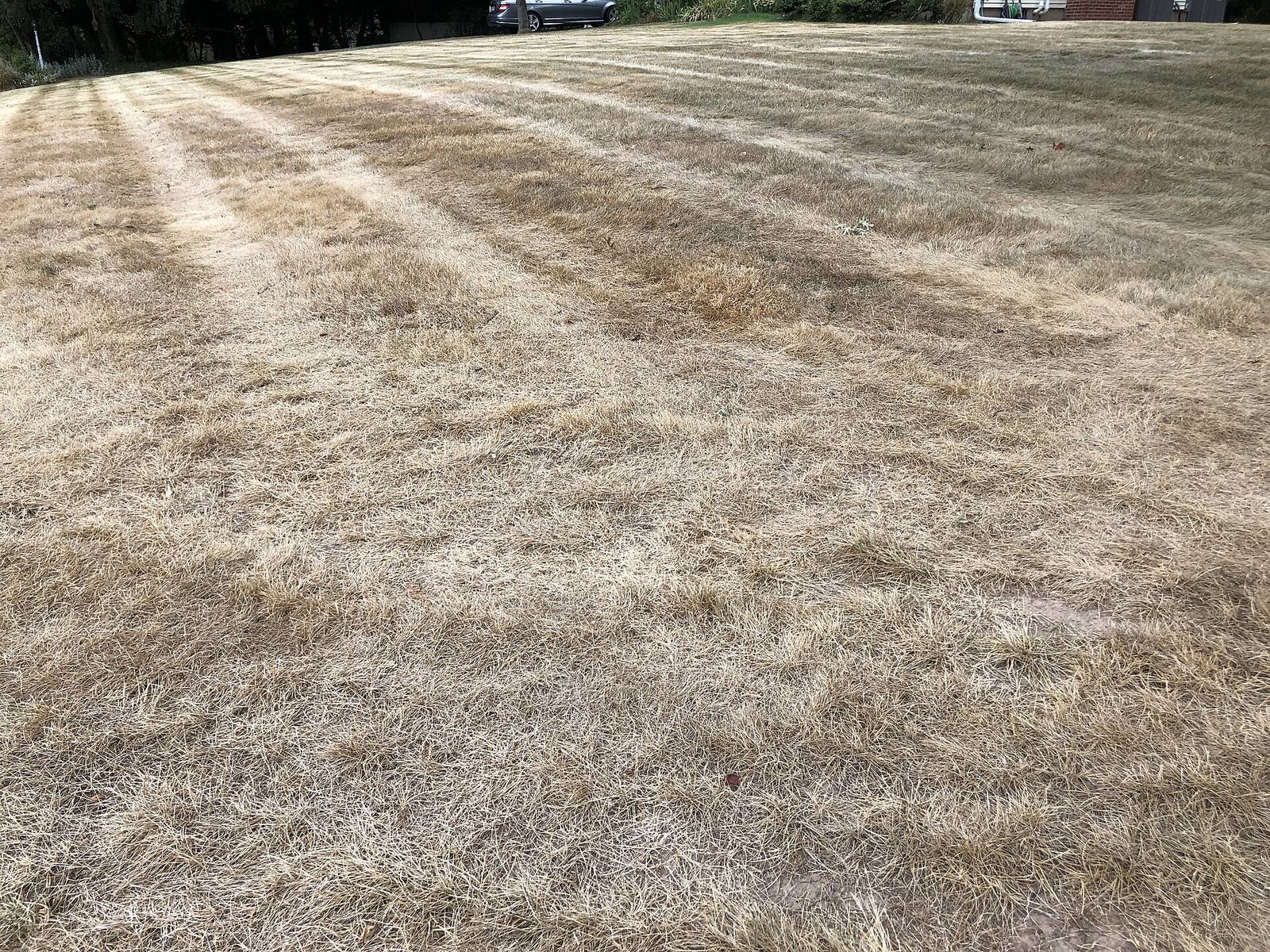
Denver Water staff project storage could fall to 60 percent before the 2027 runoff season. Prohibiting grass watering after Sept. 30 could save 5,000 acre feet of water, according to the resolution the board adopted, and the utility says one acre foot is enough for at least two families' annual use. "We're facing challenges that we haven't seen before," Greg Fisher, the utility's manager of demand planning, told the board. Fisher told KUSA that cutting off October watering could save about 1.6 billion gallons of water.
Enforcement escalates. A first violation brings a warning, followed by a $250 fine for a second offense, $500 for a third, and $1,000 for a fourth, with continued noncompliance risking a flow restriction device or disconnection of service. Fisher told CBS Colorado in August that the utility had already issued 150 warnings and 15 fines this summer.

The ban also reaches the West Slope headwaters that feed Denver's taps. Dillon Reservoir in Summit County, at 257,304 acre feet the largest reservoir in Denver Water's system, stores Blue River basin water that Denver Water says supplies about 30 percent of what it delivers. The utility says half its supply comes from West Slope tributaries of the Colorado River, making drought on both sides of the Continental Divide part of the story behind the Oct. 1 cutoff.